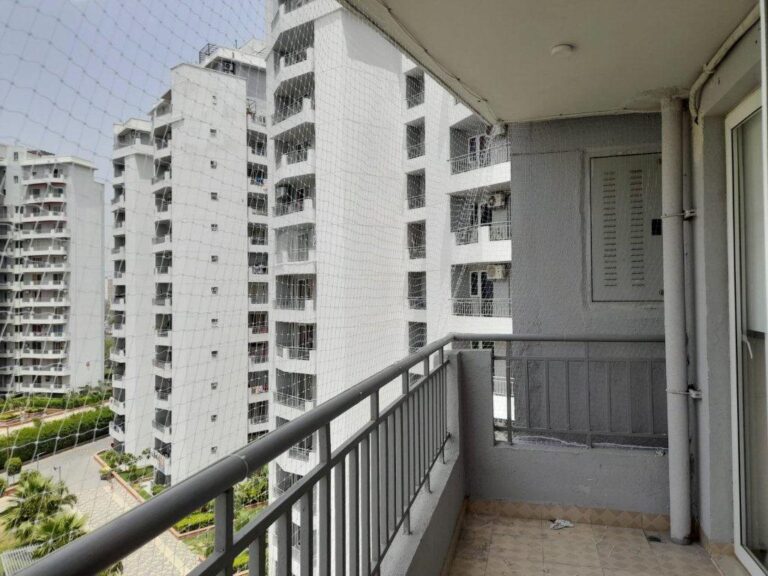
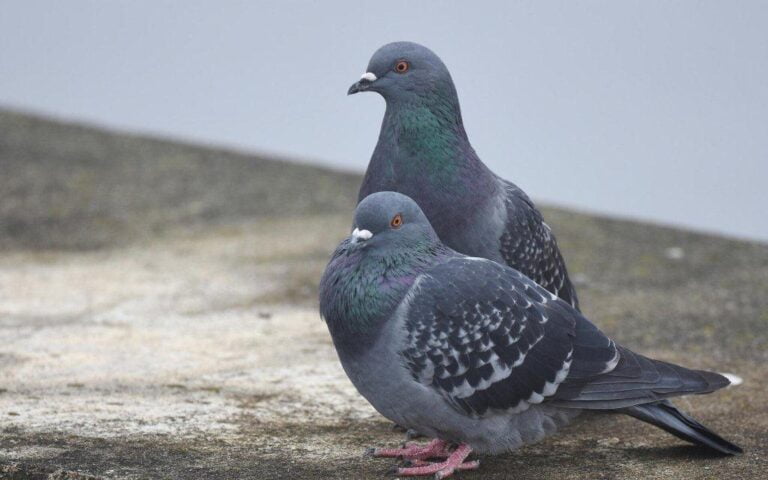
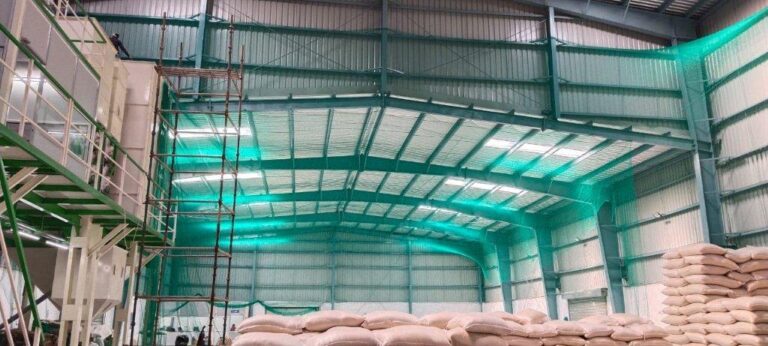
Bird netting keeps birds out of spaces. Bird spikes keep birds off surfaces. On most industrial sites you need both, and knowing which goes where saves money and gives better results.
How bird spikes work
Bird spikes are rows of blunt rods fixed to a surface. They create an uneven surface that birds can’t land on. They don’t injure birds: birds simply can’t settle and move elsewhere.
Where bird spikes work best
- Ledges and parapets on building exteriors.
- Beams and girders in industrial sheds where netting isn’t practical.
- Signboards and lights above entrances.
- AC units: window and split units, with ready-made AC bird spike kits.
- Boundary walls and pipes where birds line up and roost.
Types of bird spikes
Polycarbonate bird spikes
Lightweight, UV-resistant and cost-effective, these are the most common choice for ledges, walls and AC units.
Stainless steel (SS) bird spikes
Stronger and very durable, these suit harsher industrial environments and areas where spikes may take knocks.
Bird spikes vs bird netting: which do you need?
- Birds entering a space (shed, warehouse, balcony, shaft): bird netting.
- Birds sitting on a surface (ledge, beam, sign, AC unit): bird spikes.
- Both problems, which is common on factories and commercial buildings: a combination, planned after a site survey.
For a deeper look at nets, read our bird netting guide.
FAQs
Do bird spikes injure birds?
No. They create an uneven surface birds can’t land on, without injuring them.
Where can bird spikes be installed?
On AC units, building ledges, industrial sheds, beams, signage and other surfaces where you want to stop birds landing.
Which is better, polycarbonate or SS?
Polycarbonate suits most ledges and AC units. SS is the better pick for tough industrial conditions.
Need bird spikes, netting or both? Book a free site survey or call +91 88002 24323. See: bird spike installation services.